
Closing Time Cash Count: Catch a Gap the Same Evening
Olamide Ademola · · 11 min read
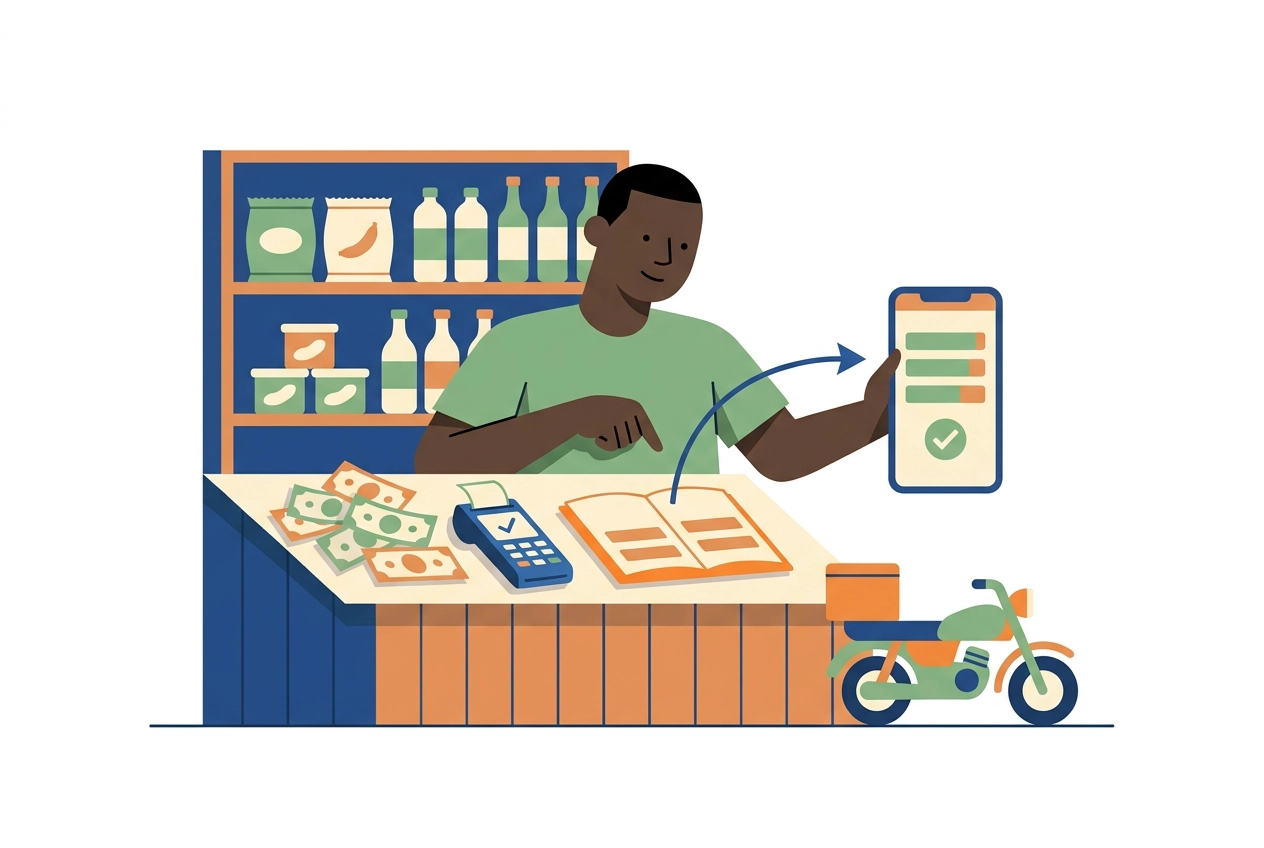
How much should be in your drawer tonight, and how much is actually there?
At the end of a busy day, the last thing you want is a drawer that feels short. Sales were good, but the cash looks light. A transfer came in, but you are not sure it was recorded. Wait until month end to check and the trail goes cold, and small gaps turn into big worries.
This guide shows you how to count at closing and compare it with the day's sales, so you catch a gap the same evening. We take cash, transfer and POS takings one at a time, look at the three things that usually cause a gap, and finish with a 10-minute closing routine you can start tonight.
Why a Gap Found Tonight Beats Finding It at Month End
A ₦2,000 gap found at 9pm tonight is a five minute correction. You know the sale, who was on the counter and what change was handed over. The same ₦2,000 found at month end has no trail. You guess for hours, or write it off.
Most shops know the day's sales figure by closing. What is missing is comparing it with the cash in the drawer, the same evening. Most gaps come from rushed change, a sale never written down, or cash taken out for a real need without a note.
This guide's routine takes about 10 minutes. It works with a notebook, sales book or phone. It costs only the habit. If your shelves and records never agree, see why your shop stock never adds up.
What to Have Ready Before You Start Counting
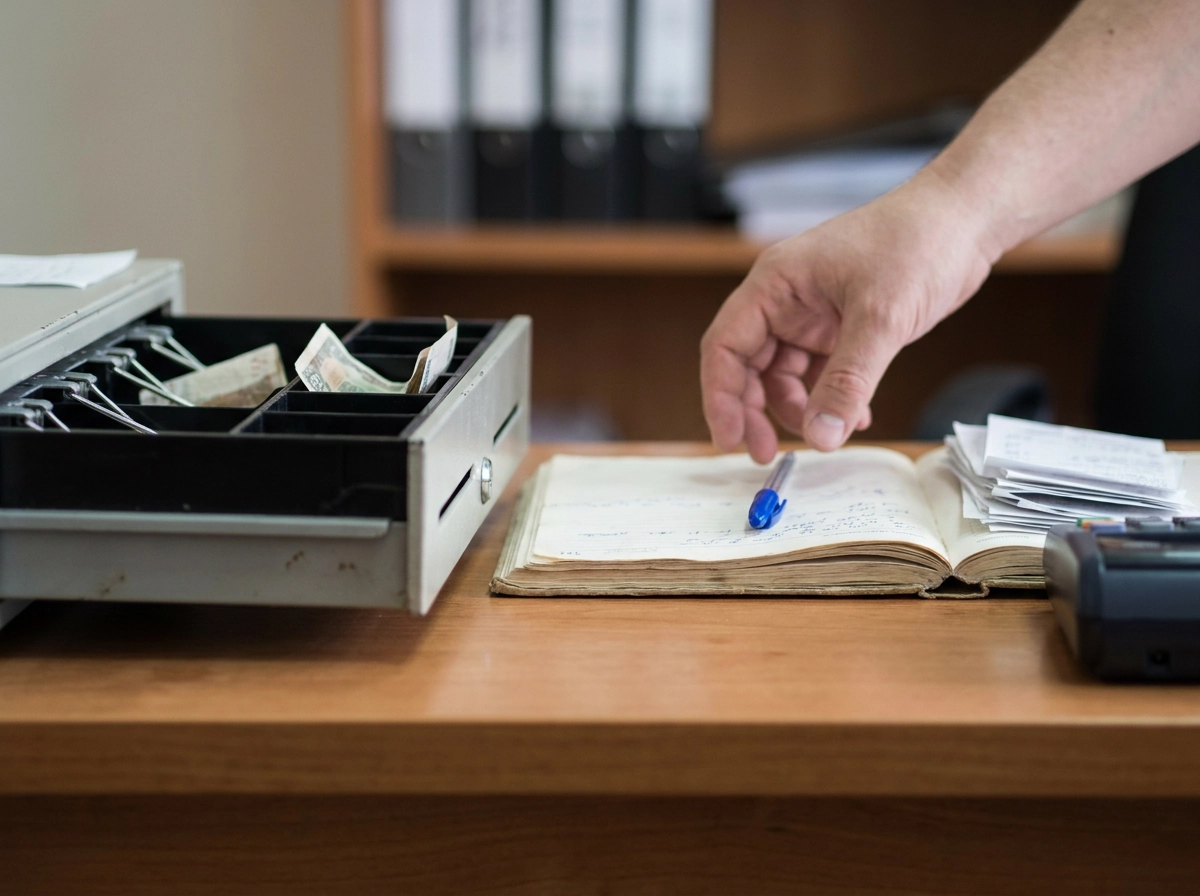
Before you count a naira, get six things within reach.
Your day's sales record. Your sales book, notebook or the day's sales list. This is the figure you count against.
The drawer, untouched. Do not tidy it first. Count what is there, sort it later.
POS paperwork. Slips, settlement printouts or the terminal's end of day total.
Transfer alerts, in one place only. Bank app notifications, SMS alerts or a written list of today's transfers. If you cannot see all of them, mark the count incomplete instead of guessing.
A pen and paper, plus a fixed closing time. If large sums are involved, count with a second person present. For keeping stock records straight alongside your takings, see our checklist on inventory management software in Nigeria.
No counting while serving. Half a count interrupted three times is worse than no count at all.
Count the Three Takings Separately
With everything ready, keep the three takings apart as you count. Cash, transfer and POS money arrive in different ways and land in different places. One figure hides where a gap sits.
A short drawer with transfers and POS matching your sales points to the counter: wrong change or a cash sale not written down. A POS figure that does not match your sales points to the terminal. A failed transaction or a slip that never printed sits there.
Count each stream on its own, then add the three totals. That total is your takings for the day, and each part should agree with your sales on its own. Write each total down before you move on. Do not carry numbers in your head when you are tired. Keep POS and transfer money away from the drawer during the day. Mixed money never counts cleanly at night.
Step 1: Count the Cash in the Drawer
Empty the drawer onto a clear surface. Count notes and coins by denomination, highest first, writing each figure down as you go. Set your opening float aside; it is not part of today's sales.
Total the notes and coins, then subtract the float. What is left should match the cash sales you recorded today. Bag the day's cash or lock it in a safe straight away. Cash left in the drawer overnight is the easiest money to lose.
If you gave change from your own pocket, or took change out of the drawer for a customer paying by transfer, write it down now. Untracked change is the most common reason a drawer does not match. If the first total surprises you, count twice. A second count takes about two minutes and stops you chasing a gap that never existed. Then move on to transfers.
Step 2: Add Up Transfer Takings
Transfers next. Add up every transfer received today from one source only, your bank alerts or your transfer list. Two sources double-count the same alert.
Note when each landed. A transfer arriving after closing belongs to the day the money hit, not the sales day it relates to.
Match transfers to sales. A customer may have sent money for goods you handed over without writing anything down. Check the reverse too: a sale marked paid by transfer where no money arrived. Owners usually spot that gap weeks later.
Keep transfers separate from cash. Folding them into the drawer total hides a cash gap inside a transfer shortfall.
Step 3: Add Up POS Takings
Now the third stream: POS. Get the end of day total from the terminal or the settlement slip. That figure is what the bank will settle, not the money you take home tonight. Compare it with the sales you recorded as paid by card. Differences here usually mean a failed transaction, a reversal or a slip that never printed.
POS money does not land in your hand. Settlement may arrive a day or two later, so your drawer will always be lighter than your total sales by the POS amount. That is not a gap. Keep the day's slips together. If a customer disputes a card payment later, the slip is your proof. Write down any offline terminal or repeated transaction beside the total, so tomorrow's count makes sense.
Compare the Drawer With the Day's Recorded Sales
With your POS total written down, add the three takings: cash, transfers and POS. That total is what the day should have produced. Put it beside the sales figure you recorded.
For the drawer, compare the notes and coins in it, minus your float, with the cash sales you recorded. That drawer check takes one minute.
Anvela's cash count works out what should be in the box from the day's cash sales and money out, so a difference shows while the day is fresh. Each difference gets a reason, and every count is kept, so next month you can look back instead of trying to remember.
A small difference is normal. See it tonight, write it down and note the reason beside it. If the difference is large, stop and check the three streams again before you touch anything else. Most large differences are a mixed up total, not missing money.
Why a Gap Usually Shows Up
A gap is rarely dramatic. Gaps are small and repeated, not one big loss. A ₦200 short change twice a day adds up to about ₦12,000 over a 30 day month.
Almost every gap traces back to one of three things: change given wrongly, a sale that was never recorded, or money taken out without a note. These are not accusations. They are simply the three places where a busy counter loses track, and each one has an easy fix. Once you know which one caused tonight's gap, you fix the habit instead of blaming the person. Treat a repeated gap as a signal about your process. If the same difference shows up at the same hour, on the same shift or at the same terminal, the problem lives there.
Change Given Wrongly
Of the three, change given wrongly is the one you will meet most often. It shows up when two customers are served at once, when there is no change for a ₦1,000 note, or when a ₦200 note is counted as ₦500. Prevent it before you open: keep enough small notes and coins in the float. Running out of change forces improvisation, and that is where mistakes live. Say the amount out loud and count the change into the customer's hand, not onto the counter. It costs seconds and saves the gap. Write down any change you borrow from the drawer or add during the day. A note on paper beats a memory at 9pm. If the drawer is short and every sale was recorded, look here first.
A Sale That Was Never Recorded
A sale that was never recorded is the next common cause. Busy moments cause it. You served three people, took the money and recorded only two sales. The drawer then holds more or less than your record shows.
Fix it by recording the sale before you hand over the goods. One line in the sales book is enough, and faster than rebuilding a whole day. Watch for "I will pay you later" and part payments. If it is not written down, closing will never know.
Cash higher than your recorded sales? An unrecorded sale is likely. Lower? Check change and withdrawals first. Never adjust the sales figure to match the drawer. Write the difference down and note the reason. Changing the record destroys the only trail you have.
Money Taken Out Without a Note
Some gaps are not really gaps. Cash leaves the drawer all day for real reasons: transport, airtime, a supplier, a family need. The problem is the missing note, not the taking.
One rule fixes most of it. Any money that leaves the drawer, for any reason, gets written down at that moment, with the amount and the reason. Add those withdrawals back when you compare. If you took ₦5,000 for a supplier and recorded it, a drawer that is ₦5,000 light is not a gap.
Keep personal money out of the drawer. A separate pocket for personal cash removes the biggest source of confusion at closing. If you cannot remember why money left, write "unexplained" beside the amount and watch whether it repeats on the same day or shift.
The 10 Minute Closing Routine
Once that note is written, the count can be trusted. Here is the routine.
- Minute 1: Stop selling. Lock the door or move to a quiet corner. Take the float out and set it aside.
- Minutes 2 to 3: Count notes and coins by denomination. Write each figure down. Subtract the float. Bag the day's cash.
- Minute 4: Add up transfers from one source only. Write the total down. Flag any late or unmatched transfers for tomorrow.
- Minute 5: Read the POS end of day total. Gather the day's slips. Write that total beside the transfer figure.
- Minutes 6 to 7: Add the three totals. Put the result beside the day's recorded sales. This is where a gap shows itself.
- Minutes 8 to 9: If there is a difference, check change given, sales not recorded and withdrawals without a note. Write the reason beside the figure.
- Minute 10: Initial the count. Keep the paper or the record. Put the cash away and close up. Then repeat at the same time tomorrow.
Tips to Keep Gaps Small
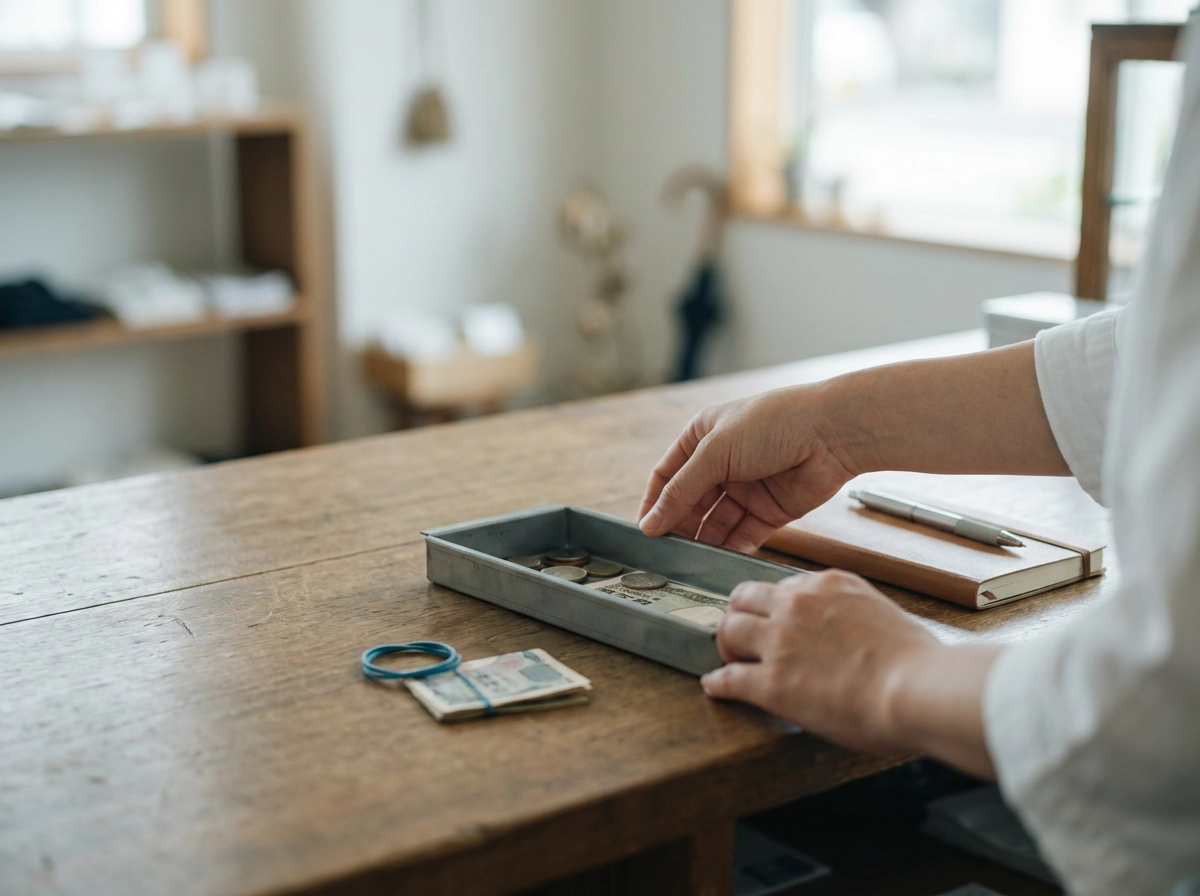
Once the 10 minutes are done, the habit is what keeps gaps small. Count at the same time every day, before you leave the shop. A count done at home later that night is a count you cannot trust.
Keep one float and one drawer. If the float amount changes, change it on purpose and write it down. Ask your staff to follow the same rules on change and withdrawals. One shared rule beats five different habits. Do not use the drawer as a personal wallet; separate personal money keeps the count clean and arguments short. Review counts weekly. If the same difference keeps appearing on the same day or shift, fix the process there. Small gaps caught early stay small. A gap ignored for a month becomes a write off you cannot explain to anyone.
Start Tonight: Make the Count a Habit
Those tips only work if you count tonight. One habit covers it: count your three takings, compare them with the day's recorded sales, note any gap and write the reason beside it.
No accountant or software needed. A drawer, a pen and 10 minutes at closing teach you more than a month of guessing.
Anvela's cash count does that sum for you, asks for a reason for any difference and keeps every count, so each evening is saved, not remembered.
Start free at https://anvela.ng, free until 12 January 2027. Need a hand setting it up? WhatsApp +234 814 062 7278 or ask for a phone call.
- Cash count
- Money
- Selling
Home · Start free · Anvela Market · About · Privacy